
Why Replacing Windshield Wipers Matters
Replacing your windshield wipers is one of the simplest yet most important car-maintenance tasks. Clear visibility during rain, snow, and dust storms depends entirely on your wipers’ ability to clean the windshield properly. When wipers get old, they start leaving streaks, skipping across the glass, or making irritating noises. Poor visibility is one of the biggest causes of accidents, which is why knowing how to replace windshield wipers correctly is essential for every driver.
Most people wait until their wipers completely fail before replacing them, but there are several early warning signs that your wipers are wearing out. If the rubber looks cracked, the blade leaves water lines, or you hear squeaking or chattering, the wipers are no longer performing well. Experts recommend replacing wiper blades every 6–12 months, depending on weather, heat exposure, and driving conditions.
Signs Your Wiper Blades Need Replacement
Before you replace windshield wipers, check for these warning signs:
- Streaking or smearing on the windshield
- Squeaky or chattering sounds
- Wipers skipping or shaking instead of gliding smoothly
- Cracked, split, or peeling rubber
- Reduced visibility during rain
- Blades not touching the full windshield surface
If you notice any of these symptoms, it’s time for new blades.
Types of Wiper Blades (Choose the Right One)
Your competitor’s article missed an important section: choosing the right type of wiper blade. Not all wipers offer the same performance.
1. Traditional Frame Wipers
These are the most common and affordable blades. They work well for normal weather conditions.
2. Beam Wipers
Beam blades apply even pressure across the entire windshield, making them ideal for heavy rain and snow. They’re more durable and offer smoother wiping.
3. Hybrid Blades
Hybrid blades combine the strength of traditional frames with the flexibility of beam wipers. They perform well in all seasons.
Selecting the right type improves visibility and keeps your windshield cleaner for longer.
Check the Correct Size Before Replacing
This step is extremely important and often ignored. Each vehicle requires a specific blade length, and in many cars, the driver’s side and passenger’s side sizes are different. Using the wrong size can cause poor wiping performance and may even scratch the windshield.
To find the right size, you can:
- Check your vehicle’s owner’s manual
- Look up your car model online
- Use a wiper-size guide at an auto parts store
Prepare Before You Start
Before you replace windshield wipers, gather these simple items:
- A clean towel (to protect the windshield)
- Glass cleaner
- Your new wiper blades
Step-by-Step Guide to Replace Windshield Wipers
Step 1: Lift the Wiper Arm Safely
Start by gently lifting the wiper arm away from the windshield until it stands upright, usually at a 90-degree angle. The wiper arm is spring-loaded, so be careful—if it snaps back, it can crack the glass. This is why you should place a clean towel on the windshield to protect it. This simple step prevents accidental damage and makes it easier to replace windshield wipers smoothly.
Step 2: Remove the Old Wiper Blade
Different cars use different connector types, so the removal process can vary. The most common connector is the J-hook, where you slide the old blade downward and unhook it from the arm.
Other connectors have a push button or locking tab that must be pressed before the blade can slide off. Never use force—if the blade feels stuck, check the connector design again. Once removed, compare the old blade with your new one to confirm the size and attachment style match correctly.
Step 3: Install the New Wiper Blade
Remove the plastic protector from the new blade’s rubber strip. Insert the blade into the connector and push it firmly until you hear a clear “click.” This click sound confirms the blade is locked securely in place. Make sure the wiper blade is not twisted or misaligned, as improper installation can cause streaking or uneven wiping later.
Repeat the same process for the other wiper arm. Take your time—proper installation ensures long-lasting performance.
Step 4: Lower the Wiper Arm Gently
Once the new blade is securely attached, carefully lower the wiper arm back onto the windshield. Avoid letting it snap down on its own. A controlled movement protects both the blade and the glass.
Step 5: Test Your New Wiper Blades
To complete the process of learning how to replace windshield wipers, spray washer fluid on the windshield and test the wipers at different speeds. The movement should be smooth, silent, and streak-free. If the wiper skips, leaves lines, or makes noise, reinstall it to ensure proper alignment.
Pro Tips to Keep Your New Wipers Working Longer
Once you replace windshield wipers, a little maintenance helps them last much longer. Clean the rubber edge regularly with a damp cloth to remove dust and grime. A dirty windshield quickly damages new blades, so make it a habit to clean the glass whenever you refuel your car.
If you live in areas with heavy snow or freezing weather, lift your wipers up during winter nights. This prevents the rubber from sticking to the ice and tearing when you try to remove them in the morning. Also avoid running wipers on a dry windshield—this wears out the rubber faster and causes skipping or scratching.
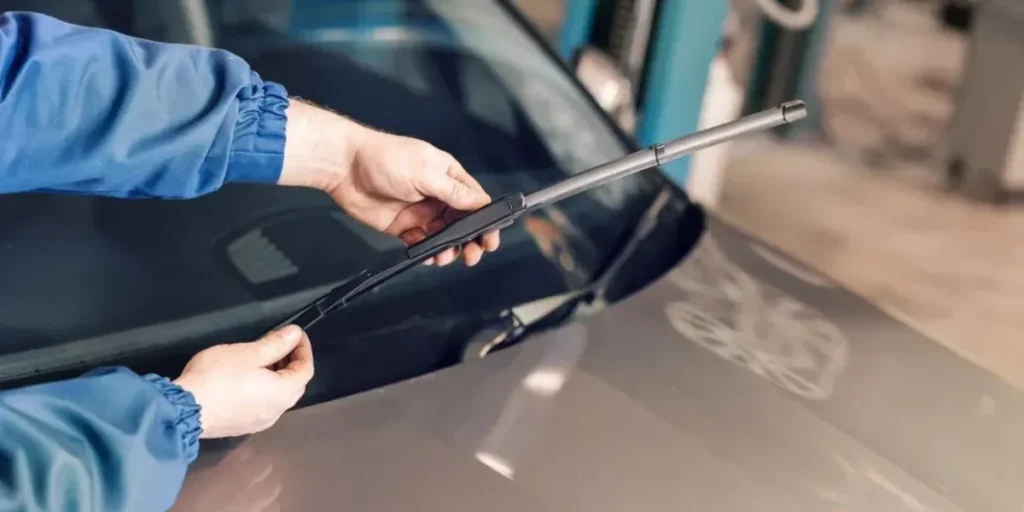
Common Mistakes to Avoid When Replacing Wiper Blades
1. Buying the Wrong Size
An incorrect blade size reduces visibility and may cause scratching. Always confirm your vehicle’s correct size.
2. Forgetting the Plastic Protector
New blades come with a thin plastic strip on the rubber. If you don’t remove it, the wipers will streak instantly.
3. Letting the Arm Snap Back
A snapping metal wiper arm can crack your windshield. Always hold the arm firmly while installing.
4. Not Locking the Blade Correctly
If you don’t hear a click during installation, the blade may not be secure and could fly off while driving.
5. Skipping the Final Testing
Testing at different speeds ensures your wipers are installed perfectly and won’t leave streaks.
Frequently Asked Questions (FAQs)
1. How often should I replace windshield wipers?
Every 6–12 months, depending on your climate and driving conditions.
2. Can I replace only one wiper?
It’s recommended to replace both at the same time for even performance.
3. Why are my new wipers still streaking?
Your windshield may be dirty, the blade may be misaligned, or the protector might still be on.
4. Are premium wipers worth buying?
Yes, they last longer, offer smoother wiping, and work better in rain and snow.